Why Everyone Is Talking About Going “No Contact” in 2026; And What Therapists Want You to Know
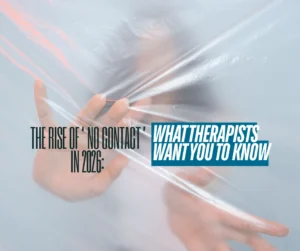
As we move into 2026, one conversation is taking over social media, therapy rooms, and everyday dialogue: the decision to go “no contact” with family.
More people are waking up to their emotional needs, questioning generational patterns, and choosing mental health over obligation. The shift is real. The conversations are loud. And the desire for peace is stronger than ever.
But here’s the part that isn’t going viral online:
Going no contact is not a trend. It is a major psychological decision that deserves thoughtful reflection and professional support.
From a Lotus Counseling Center therapist’s perspective, here is what you need to consider before taking that step in 2026.
1. No Contact Is About Protection, Not Punishment
People do not go no contact because it is popular.
They do it because staying connected has become emotionally unsafe.
This choice may arise from patterns of:
- manipulation
- emotional neglect
- boundary violations
- chronic invalidation
- hostility or volatility
- unresolved trauma
No contact is not about retaliation.
It is about self-preservation.
2. Before You Make the Decision This Year, Ask Yourself One Critical Question
Ask:
“Am I making this decision to heal, or am I making it to escape discomfort?”
A healing-driven decision comes from:
- clarity
- grounding
- long-term reflection
- recognizing harm
- understanding your emotional limits
An escape-driven decision often comes from:
- overwhelm
- frustration
- holiday tension
- unmet expectations
- emotional reactivity
The difference matters.
3. Therapy Teaches a Spectrum of Boundaries, Not Just Two Extremes
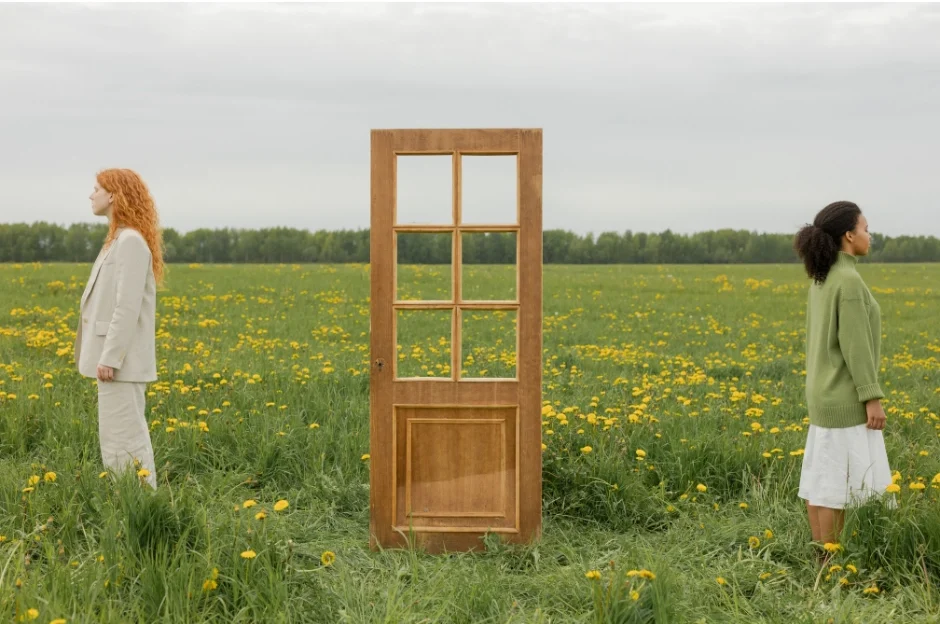
Social media dramatizes only the endpoints:
Cut them off completely, or stay connected and tolerate dysfunction.
In reality, there are many clinically effective options:
- low contact
- predictable or scheduled communication
- shorter visits
- topic limitations
- limiting emotional disclosure
- separating shared responsibilities
- detachment without cutoff
Sometimes relationships do not require a full disconnect.
They require structure.
4. The Emotional Aftermath Is Complex
No contact can bring relief, but it can also bring:
- grief
- self-doubt
- guilt
- loneliness
- complicated loyalty
- questions about identity or belonging
These reactions are normal and expected.
Healing rarely feels clean or linear.
5. Social Media Leaves Out the Most Important Part
Online conversations often oversimplify no contact as a quick fix or empowerment strategy. But what you do not see online is the emotional work that must follow.
What is missing from the trending messages:
- trauma does not end with disconnection
- old wounds may resurface
- attachment patterns remain
- grief for “the family you wanted” can intensify
- boundaries still require ongoing practice
Therapy provides the depth that the internet does not.

6. The Rise in No-Contact Decisions in 2026 Reflects Something Bigger
This cultural shift is not about rejecting family.
It is about rejecting:
- generational trauma
- emotional harm
- chronic disrespect
- constant self-sacrifice
- silence around painful histories
- the expectation to tolerate dysfunction
People want healthier lives in 2026, not just healthier relationships.
The conversation is bigger than the cutoff itself.
7. Your Decision Does Not Have To Be Permanent
Many people view no contact as irreversible, but the reality is more flexible.
You may:
- revisit the decision
- shift to low contact later
- reconnect once healing has occurred
- rebuild with new boundaries
- choose distance for a season
Your boundaries can evolve as you do.

A New Year, a New Approach to Emotional Health
January gives us an opportunity to check in with ourselves and redefine what emotional safety means moving forward.
If you are considering going no contact or adjusting boundaries with family; our therapists at Lotus Counseling Center are here to help you process your options with clarity and compassion.
Together, we can explore:
- whether distance is necessary
- whether boundaries are enough
- whether healing the relationship is possible
- or whether the healthiest choice is letting go
There is no right or wrong choice; only what supports your emotional safety and well-being.
If this resonates with you…
We invite you to schedule a session and speak with one of our licensed clinicians.
You don’t have to make heavy emotional decisions alone; and you deserve to enter the new year with peace, clarity, and emotional safety.
Your healing is important. Your feelings are valid. And your boundaries matter.
Need help? We’re accepting new clients.
Appointments available now.
Call us | DM us | Visit our website