 At the beginning of a relationship, everything feels effortless. Conversations last for hours, small differences seem insignificant, and being together feels exciting and new. Psychologists often refer to this stage as the honeymoon phase, a period driven by emotional intensity and powerful brain chemistry that makes couples feel deeply connected.
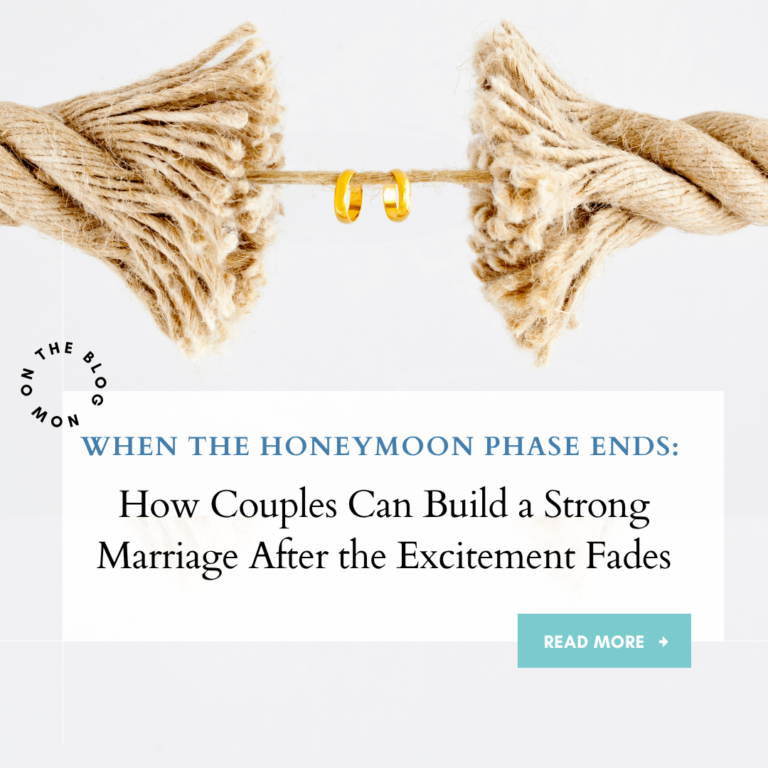
But eventually, the honeymoon phase fades.
Real life begins to take center stage — bills need to be paid, careers demand attention, household responsibilities increase, and conversations about children, finances, and family expectations become part of everyday life.
For many couples, this transition can feel confusing or even discouraging. The truth is that this shift is completely normal. In fact, it’s where real partnership begins.
The couples who successfully navigate this stage are the ones who learn how to communicate effectively, solve problems together, and build a strong foundation for a long-term partnership.
At Lotus Counseling Center, many couples seek guidance through couples counseling, relationship counseling, and marriage counseling to help them navigate these stages successfully.
Why the Honeymoon Phase Doesn’t Last Forever
 The honeymoon phase is fueled by brain chemicals like dopamine and oxytocin that create excitement, attraction, and emotional closeness. During this stage, couples often focus on the best parts of their partner while minimizing differences.
Over time, those intense chemicals stabilize, and the relationship shifts into a deeper stage — one built on commitment, teamwork, and emotional maturity.
This stage requires couples to learn skills that were not necessary during the early dating period.
This is where relationship therapy or couples therapy can be incredibly beneficial for strengthening the relationship.
The Most Common Challenges Couples Face After Marriage
Many couples encounter similar challenges once the honeymoon phase fades. Understanding these areas early can help couples avoid unnecessary conflict and build stronger partnerships.
Managing Finances Together
Money is one of the most common sources of tension in relationships.
Couples may enter marriage with very different financial habits, beliefs, and expectations. One partner may prioritize saving, while the other prefers spending on experiences or lifestyle.
Important financial conversations include:
- How bills will be divided
- Whether accounts will be shared or separate
- Long-term savings goals
- Debt management strategies
- Major purchases and investments
Through relationship counseling or marriage counseling, couples can learn how to approach financial discussions with collaboration instead of conflict.
Dividing Household Responsibilities
Household responsibilities often become a point of tension when expectations are unclear.
Tasks like cooking, cleaning, scheduling appointments, and managing household logistics require communication and teamwork.
Successful couples treat household management as a shared responsibility rather than an assumed role.
Creating clear expectations and regularly checking in with each other helps prevent resentment from building over time.
Aligning Values and Beliefs
Marriage often brings deeper conversations about personal values, including:
- Religion or spirituality
- Cultural traditions
- Lifestyle preferences
- Career priorities
- Personal boundaries
When couples have different perspectives, these conversations can become challenging. Working with a therapist can help couples learn how to communicate respectfully and find common ground.
 Parenting Decisions and Raising Children
For couples planning to have children, parenting philosophies can create new discussions.
Some couples discover they have very different beliefs about discipline, education, family involvement, and parenting roles.
Discussing these topics early allows couples to build alignment before major decisions arise.
Many couples benefit from couples therapy when preparing for or navigating parenting challenges together.
Navigating Extended Family Dynamics
Marriage often means blending two families with different expectations, traditions, and communication styles.
Common challenges include:
- Managing holiday expectations
- Setting boundaries with family members
- Navigating parenting advice from relatives
- Balancing time between families
Healthy couples support one another and establish boundaries that protect the relationship.
 Maintaining Individual Identity and Friendships
While marriage creates partnership, maintaining individual identity is also essential.
Healthy relationships allow both partners to maintain friendships, hobbies, and personal interests outside the relationship.
Encouraging personal growth strengthens the relationship rather than weakening it.
When Conflict Becomes Difficult to Manage
Disagreements are a natural part of any relationship. However, problems can arise when communication breaks down and resentment begins to build.
Some signs couples may benefit from professional support include:
- Frequent arguments that never seem resolved
- Communication that turns defensive or critical
- Emotional distance or disconnection
- Repeating the same conflicts over and over
- Difficulty rebuilding trust after conflict
Working with a couples therapist or engaging in couples counseling can help partners develop healthier communication and conflict resolution skills.
At Lotus Counseling Center, our clinicians specialize in relationship therapy, couples therapy, and marriage counseling to support couples through these challenges.
Intensive Support: Marathon Couples Therapy Sessions
Some couples feel that traditional weekly sessions move too slowly when they are dealing with long-standing conflicts or major relationship challenges.
That is why Lotus Counseling Center offers Marathon Couples Therapy Sessions, an intensive format designed to help couples make meaningful progress in a focused setting.
During these extended sessions, couples can:
- Address long-standing relationship patterns
- Improve communication and conflict resolution
- Rebuild emotional connection
- Develop practical strategies for moving forward
Many couples find that intensive sessions provide the breakthrough they need to rebuild their relationship.
Building a Marriage That Lasts
The end of the honeymoon phase does not mean the end of romance. Instead, it marks the beginning of a deeper and more meaningful stage of love.
Long-lasting relationships are built through:
- Open communication
- Shared responsibility
- Emotional support
- Mutual respect
- Willingness to grow together
Every relationship goes through periods of adjustment. The couples who succeed are the ones who remain committed to understanding each other and working through challenges together.
If you and your partner are experiencing challenges in your relationship, seeking support can make a significant difference.